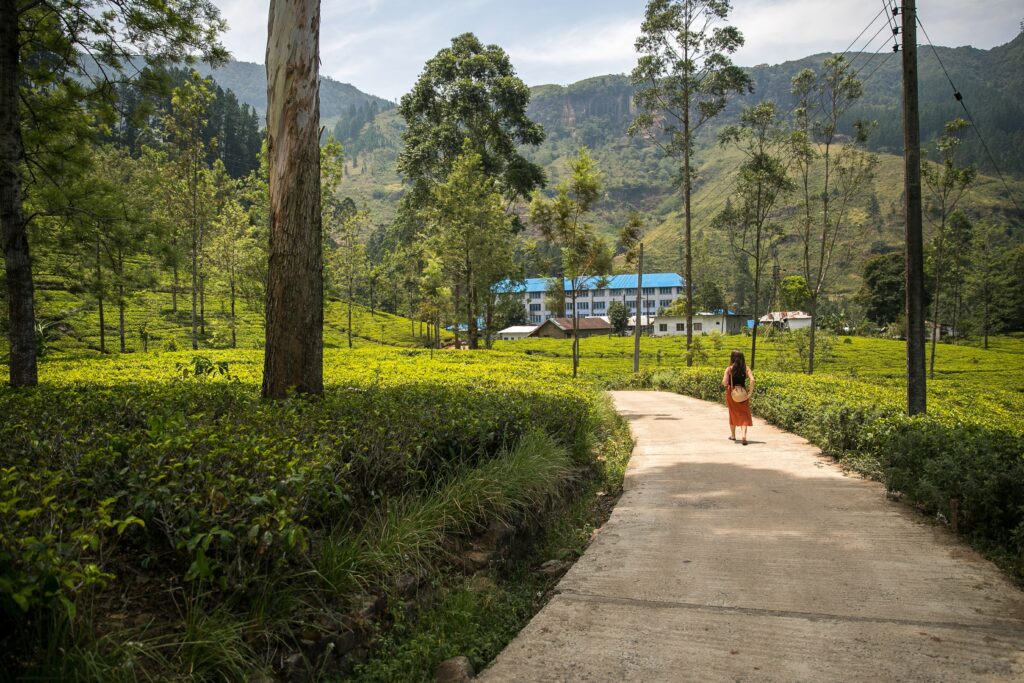
Nilgiris tea is one of the world’s hidden gems, celebrated for its unique flavour, exceptional versatility, and remarkable quality. Grown amidst the pristine Blue Mountains of South India, these teas are known for their bright, fragrant liquor with delicate fruity and refreshing minty notes—characteristics influenced by the region’s cool climate and the abundance of Blue Gum, Eucalyptus, and native spice plantations surrounding the tea gardens.
The harmonious balance of briskness, flavour, and body has earned Nilgiris tea the reputation of being a “blender’s delight,” making it a preferred choice for creating premium tea blends enjoyed across the globe.
Nilgiris tea is also renowned for producing some of the world’s finest iced teas. Unlike many other teas, it retains its clarity without becoming cloudy, never develops bitterness when cooled, and naturally reveals a smooth, sweet finish. This exceptional quality makes Nilgiris tea equally enjoyable whether served hot or cold, offering a refreshing and memorable tea experience in every cup.
Guardians Of Nilgiris Tea Heritage
The Badagas are the largest indigenous community of the Nilgiris, a region that has long been their ancestral homeland. They reside in nearly 400 traditional villages, locally known as “Hattis,” spread across the picturesque hills of the district. Their native language, Badugu, reflects the rich cultural heritage that has been preserved through generations.
For decades, the Badaga community has played a pivotal role in the cultivation and growth of tea in the Nilgiris. As one of the region’s most prominent tea-growing communities, their deep understanding of the land, climate, and traditional farming practices has contributed significantly to the exceptional quality and global reputation of Nilgiris tea. Their enduring connection with tea cultivation continues to preserve the region’s legacy while sustaining the livelihoods of thousands of small tea-growing families.
A Legacy Of Tea, Perfected For Every Cup
Tea has been cherished for centuries, with historical records tracing its origins back to ancient times. In India, commercial tea cultivation began during the British era, when tea plantations were established to challenge China’s dominance in the global tea trade. Over the years, India has grown into one of the world’s largest producers and consumers of tea.
Today, tea is far more than just a beverage in India—it is an integral part of everyday life. A cup of tea brings people together, sparks conversations, strengthens relationships, and creates countless memorable moments. It is a symbol of warmth, hospitality, and togetherness that transcends generations.
At Mogg Yelay, we honour this timeless tradition by sourcing premium teas from some of the finest tea factories across The Nilgiris. Combining generations of tea-growing heritage with expert blending techniques, we carefully craft distinctive tea varieties that deliver exceptional flavour, vibrant colour, and captivating aroma. Every cup is thoughtfully created to offer a rich and authentic tea experience that reflects the finest traditions of Nilgiris tea.
From Leaf To Cup: The Journey Of Tea
Every cup of tea begins with a carefully nurtured leaf. At Mogg Yelay, we value the craftsmanship behind tea production and the meticulous process that transforms fresh tea leaves into the aromatic beverage enjoyed around the world.
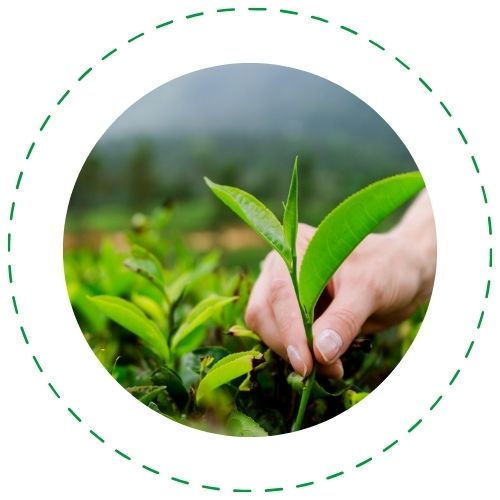
Plucking
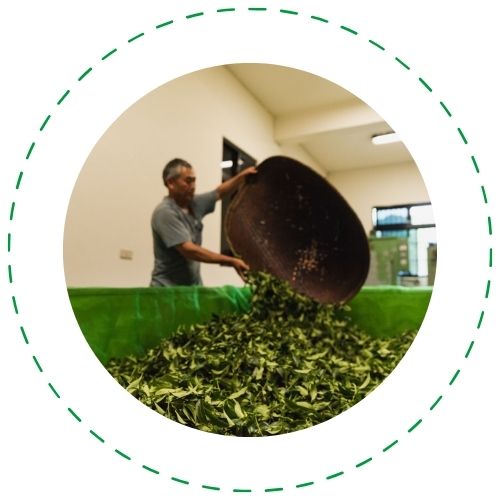
The journey begins with the careful harvesting of tender tea leaves, either by skilled hands or modern harvesting equipment. The freshly plucked leaves are collected, inspected for quality, weighed, and transported to the tea factory, where they are re-weighed before processing begins.
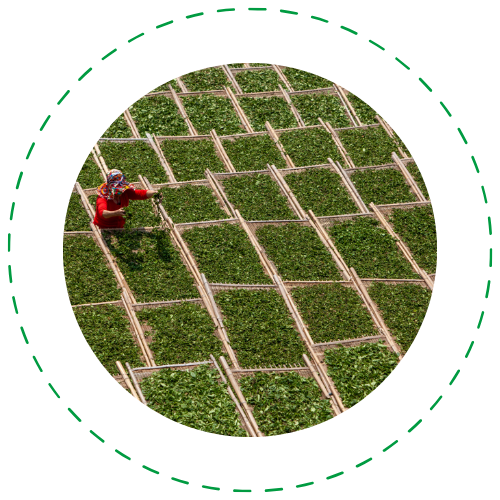
Withering
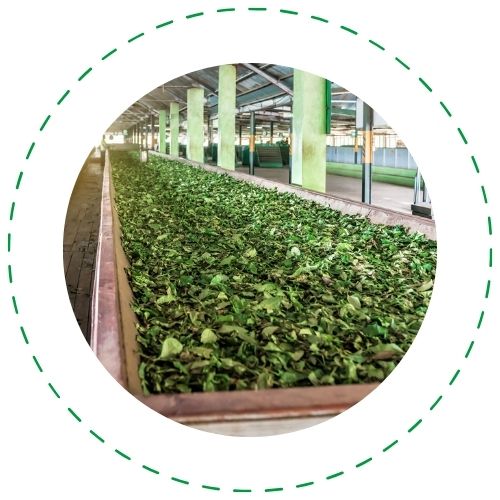
Fresh tea leaves contain a high percentage of moisture. During the withering stage, the leaves are spread evenly on specially designed troughs or nets and exposed to controlled airflow. Over a period of 14 to 18 hours, the leaves lose approximately 20–30% of their moisture, becoming soft and pliable—ideal for the next stage of processing.
Rolling, Crushing, Tearing & Curling (CTC)
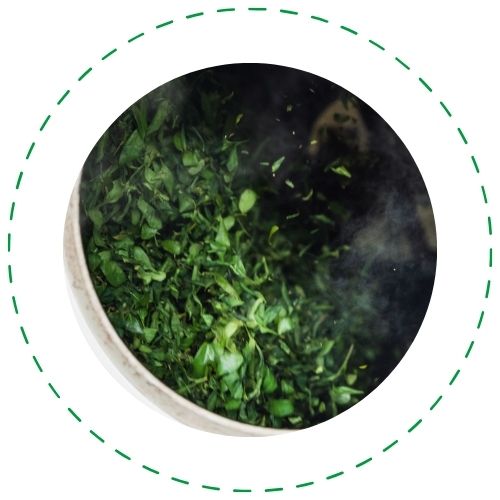
The softened leaves are rolled to break their cell structure, allowing natural enzymes and juices to be released. Depending on the style of tea being produced, the leaves may undergo the Crush, Tear and Curl (CTC) process, where they are mechanically cut into uniform particles. This method enhances infusion, colour, and flavour, making it one of the most widely used tea manufacturing techniques in India.
Oxidation (Fermentation)
Following rolling or CTC processing, the leaves are spread in temperature- and humidity-controlled rooms to undergo oxidation—commonly referred to as fermentation. During this crucial stage, the leaves gradually change from green to a rich coppery-brown colour while developing the distinctive aroma, flavour, and character that define black tea. Careful control of this process is essential to producing high-quality tea.
Drying (Firing)
Once the desired level of oxidation is achieved, the leaves are dried using hot air to stop further oxidation. This process locks in the tea’s flavour, aroma, and colour while reducing the moisture content, ensuring freshness, stability, and a longer shelf life.
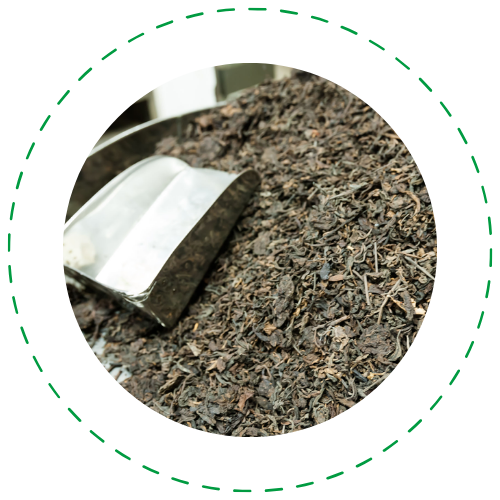
Sorting & Grading
The dried tea is then sorted using specialised sieves and grading machines. The leaves are separated into different grades based on their size and appearance. Each grade offers a unique brewing experience while maintaining the same high standards of quality.